Pool Leak Detection & Repair in Torrance, CA
Electronic leak detection for backyard pools in Torrance's West Torrance and South Torrance neighborhoods, pinpointing leaks in plumbing lines, fittings, or the pool shell itself.
Signs your pool has a leak
Losing more than a quarter-inch of water per day
Normal evaporation typically accounts for a small amount of daily water loss; losing noticeably more, especially with the pump off, points to an actual leak.
Wet spots in the yard near pool equipment
Consistently damp ground near the pump, filter, or plumbing lines running to the pool often means an underground pipe is leaking.
Air bubbles in the return lines
Air bubbling into the pool from a return jet, rather than just at startup, can indicate a suction-side leak pulling air into the system.
Cracks or discoloration on the pool shell
Visible cracks, especially ones that seem to grow, or staining that doesn't correspond to a chemical issue, can point to a structural leak in the shell itself.
Topping off your pool too often?
We can usually confirm whether it's a real leak the same day.
Pool leak detection in a coastal-adjacent market
West Torrance and South Torrance's single-story homes on standard suburban lots include a real number of backyard pools, most installed alongside the original home or added during a later remodel. Pool plumbing in this market faces the same underlying pressures as household plumbing: naturally hard Los Angeles County water accelerates scale buildup in pool equipment and fittings, and marine-layer humidity speeds up corrosion on above-ground metal components near the coast.
Because a pool's plumbing runs underground between the shell and the equipment pad, a leak there behaves very differently from a leak in a home's water lines, and needs equipment built specifically for pool leak tracing rather than standard household leak detection tools.
How we find a pool leak
Bucket test
A simple bucket test compares water loss in the pool against a sealed control bucket, confirming whether loss is beyond normal evaporation before further testing.
Equipment pad inspection
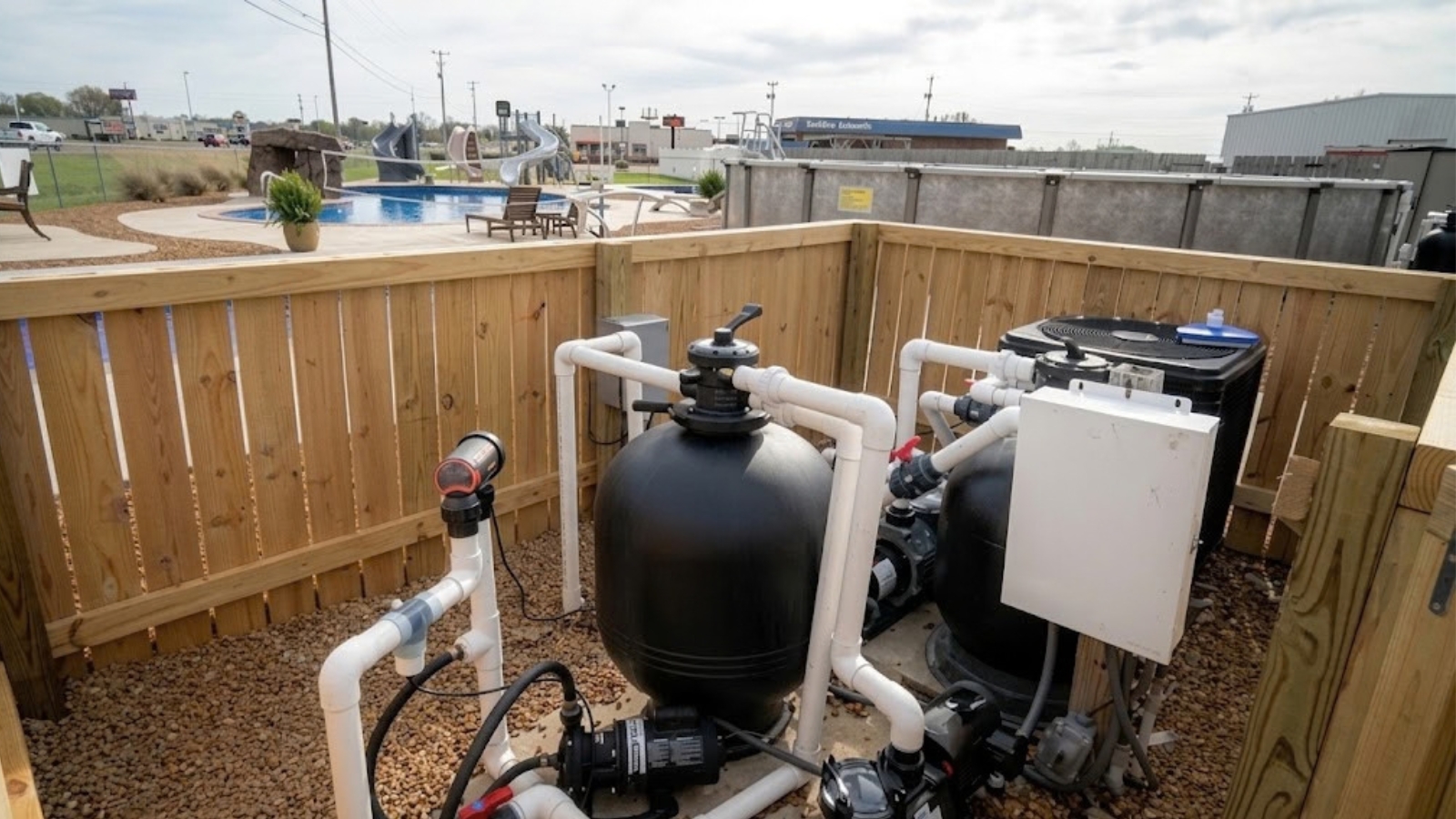
The pump, filter, and associated plumbing at the equipment pad are checked first, since a surprising number of apparent pool leaks turn out to be a fitting or seal failure above ground rather than a buried line.
Pressure testing the plumbing lines
Each plumbing line running to and from the pool is pressure tested individually to isolate which line, if any, is leaking.
Electronic and dye testing
Electronic leak detection and dye testing help pinpoint leaks at fittings, lights, or the shell itself that pressure testing alone can't fully localize.
Confirm before repair
We confirm the leak's exact location and likely cause before recommending a specific repair approach.
What happens once the leak is found
A plumbing-line leak is typically repaired by accessing and fixing the specific section of pipe, sometimes requiring a small excavation near the equipment pad or pool shell. A fitting or light-niche leak is often a more contained repair. A structural shell leak may require a specialized pool repair approach beyond plumbing alone, and we'll be direct about when that's the case rather than attempting a repair outside our scope.
Once repaired, we retest to confirm the leak is fully resolved before considering the job complete, rather than assuming a single fix has solved it.
Clear pricing before work starts
Pool leak detection is priced based on the scope of testing required, confirmed before we start. Call for current rates.
Questions about pool leak detection in Torrance
Roughly a quarter-inch per day from evaporation is typical in this climate; consistently losing more than that, especially with the pump off, suggests an actual leak.
Yes, pressure testing the individual plumbing lines helps isolate whether the leak is in the pipes or points toward the shell or a fitting instead.
We handle plumbing-line and fitting leaks directly. For a structural shell leak, we'll identify it clearly and can point you toward the right type of specialist if it's outside plumbing scope.
It's worth checking first. A seal or fitting failure at the equipment pad is a common, much simpler cause of water loss than a buried line leak.
Often called together
Serving Torrance and the South Bay
Stop topping off a leaking pool
Pool leak detection and repair across Torrance and the South Bay.
☎ (310) 424-7510